
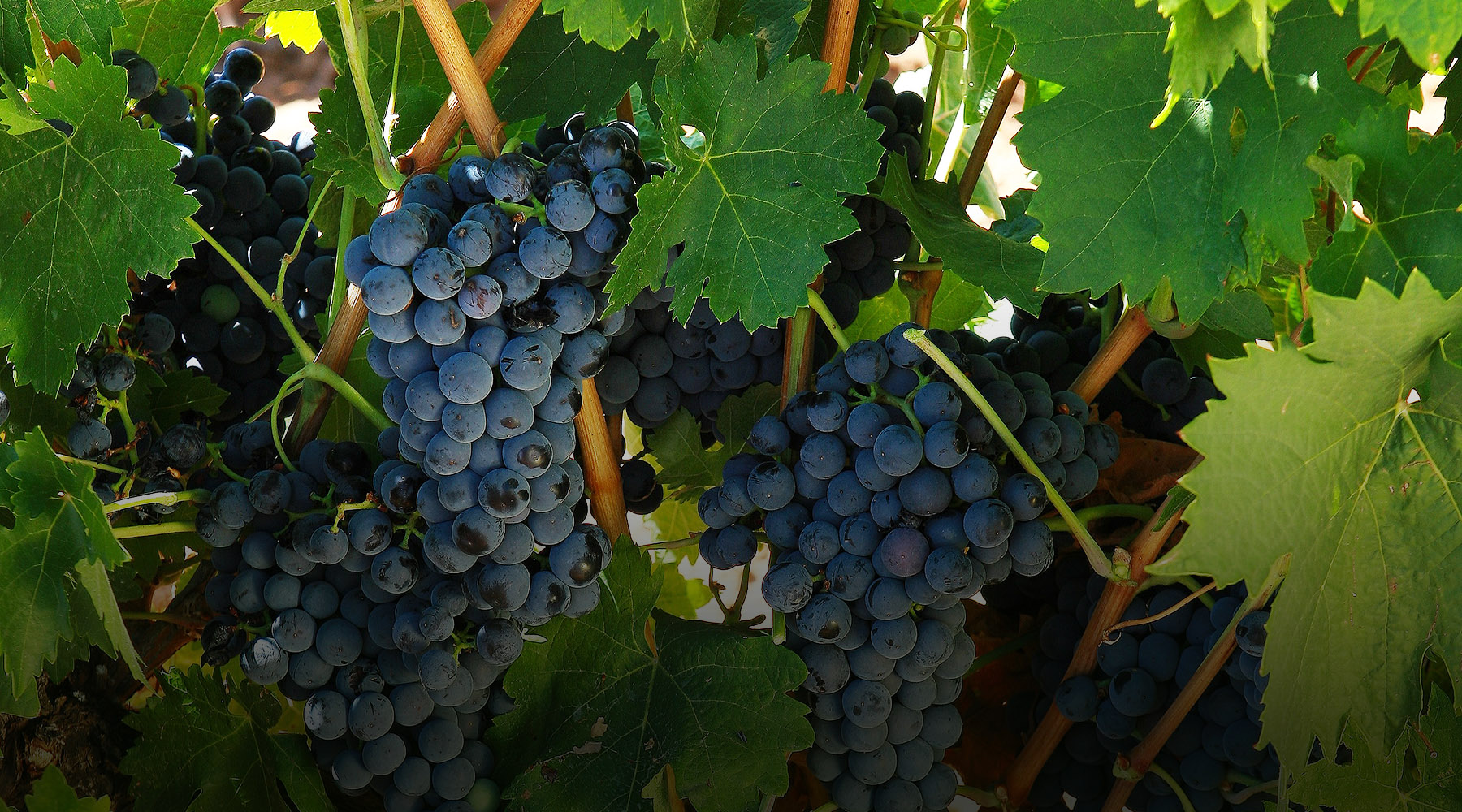
[vc_row full_width=»stretch_row» equal_height=»yes» css=».vc_custom_1558527735460{padding-top: 7em !important;padding-right: 10% !important;padding-bottom: 7em !important;padding-left: 10% !important;background-color: #ffffff !important;}»][vc_column css=».vc_custom_1559125340011{padding-right: 20% !important;padding-left: 20% !important;}» offset=»vc_col-lg-3″][/vc_column][vc_column css=».vc_custom_1559125363523{padding-top: 10% !important;padding-right: 10% !important;padding-bottom: 10% !important;padding-left: 10% !important;background-image: url(http://okthemes.com/sarasdemo/wp-content/uploads/2019/05/topography-2.jpg?id=3284) !important;background-position: center !important;background-repeat: no-repeat !important;background-size: contain !important;}» offset=»vc_col-lg-6″][title_subtitle add_horizontal_line=»use_hor_line» title=»Wines made with passion and respect for the land»]Today the vineyards of the Estate occupy an area of 280 ha. That is home to a total of 500,000 stocks, of which the Tempranillo variety represent 80 percent. The other 20 percent of the stock is reserved for red grape varieties such as Cabernet Sauvignon, Merlot and Shiraz as well as for white grape varieties such as Chardonnay and Macabeo.
En la actualidad, los viñedos de la Finca ocupan una extensión de 280 Ha donde crecen 500.000 cepas en total, de las que el Cencibel o Tempranillo representa el 80%. El 20% restante se destina a Cabernet Sauvignon, Merlot y Syrah como variedades de uva tinta, además de Chardonnay y Viura o Macabeo, como variedades de uva blanca.[/title_subtitle][/vc_column][vc_column css=».vc_custom_1559125377375{padding-right: 10% !important;padding-left: 10% !important;}» offset=»vc_col-lg-3″][/vc_column][/vc_row][vc_row full_width=»stretch_row» el_class=»half-height-white-background»][vc_column][media_carousel images=»4157,4152,4156,4153,4158,4154,4155″ img_size=»full» slidespercolumn=»1″ add_pagination=»use_pagination» add_navigation=»use_navigation» add_loop=»use_loop»][/vc_column][/vc_row][vc_row css=».vc_custom_1558468673987{padding-top: 7em !important;padding-bottom: 7em !important;}»][vc_column width=»1/6″][/vc_column][vc_column width=»4/6″][title_subtitle align=»center» add_horizontal_line=»use_hor_line» title=»The Wineyard»]The year 1984 marks the beginning of the investigation of the grounds and zonification to find the best location for vines within the farm. For this, they chose the lateral portion, oriented to the east, its solar exposure and maximum altitude of 700 meters converts it to a place adequate for the red varieties, while leaving the colder zones for the white varieties of Chardonnay and Macabeo.
From the beginning, the plantation was divided into five vineyards, whose traditional names allude to the history of the property: El Jaque, Casa Pacico, La Jarilla de los Ladrones, Cerro de las Colmenas and Cerro del Cura. Each of the wines produced by Bodegas Real comes from a selected area within these five.[/title_subtitle][/vc_column][vc_column width=»1/6″][/vc_column][/vc_row][vc_row full_width=»stretch_row» el_class=»half-height-black-background bottom» el_id=»vinedos»][vc_column][vc_tta_tabs style=»flat» shape=»square» color=»black» spacing=»30″ alignment=»center» active_section=»1″][vc_tta_section title=»The state» tab_id=»1564746967474-e321601d-88d1″][vc_row_inner][vc_column_inner width=»1/2″][title_subtitle title_type=»h3″ add_toptitle=»use_toptitle» title=»Finca Marisánchez» toptitle=»Our pride» css=».vc_custom_1567421073274{margin-bottom: 5em !important;}»]From the year 2000 we started the annual zonal segmentation program, with which, through the conjunction of a series of parameters, the most suitable plots are identified, establishing a table of yields and qualities by zones. In this way, the quality of each one of our wines at origin is guaranteed, according to origin and annual climatic behaviour.[/title_subtitle][horizontal_list list_items=»%5B%7B%22title%22%3A%22Area%22%2C%22description%22%3A%22DO%20Mancha%22%7D%2C%7B%22title%22%3A%22Altitude%22%2C%22description%22%3A%22700m%22%7D%2C%7B%22title%22%3A%22Latitude%22%2C%22description%22%3A%22N%2038%C2%B0%2044’%2010.46»%22%7D%2C%7B%22title%22%3A%22longitude%22%2C%22description%22%3A%22W%203%C2%B0%2013’%2023.164»%22%7D%2C%7B%22title%22%3A%22Cultivated%20varieties%22%2C%22description%22%3A%22Tempranillo%2C%20Garnacha%20Tintorera%2C%20Cabernet%20Sauvignon%2C%20Syrah%2C%20Chardonnay%20y%20Macabeo%22%7D%2C%7B%22title%22%3A%22Climate%22%2C%22description%22%3A%22Extreme%20Continental%22%7D%2C%7B%22title%22%3A%22Soil%22%2C%22description%22%3A%22High%20degree%20of%20permeability.%22%7D%5D»][/vc_column_inner][vc_column_inner width=»1/2″][vc_single_image image=»4150″ img_size=»full» css=».vc_custom_1564769753763{margin-bottom: 0px !important;padding-top: 5% !important;padding-right: 5% !important;padding-bottom: 5% !important;padding-left: 5% !important;}»][/vc_column_inner][/vc_row_inner][/vc_tta_section][vc_tta_section title=»Vineyard» tab_id=»1557055624269-f15c6c41-1545″][vc_row_inner equal_height=»yes» content_placement=»middle»][vc_column_inner][horizontal_list list_items=»%5B%7B%22title%22%3A%22TYPE%20OF%20SOIL%22%2C%22description%22%3A%22Depending%20on%20the%20zoning%2C%20one%20can%20distinguish%20the%20types%20of%20ground%20as%20loose%20and%20sandy%20or%20limey%20and%20full%20of%20clay%2C%20with%20boulders%20of%20metamorphic%20rock%2C%20slate%20and%20calcareous%20sandstone.%5Cn%5CnThere%20is%20a%20cap%20between%2015%20and%2020%20percent%20of%20clay%20and%20below%20there%20is%20sand%2C%20which%20creates%20a%20high%20grade%20of%20permeability.%22%7D%2C%7B%22title%22%3A%22CLIMATE%22%2C%22description%22%3A%22The%20climate%20is%20continental%20extreme%2C%20characterized%20by%20very%20cold%20winters%20and%20very%20hot%2C%20dry%20summers-producing%20strong%20thermal%20oscillations%20at%20the%20end%20of%20the%20year.%20The%20mid-year%20rainfall%20oscillates%20between%20350%20and%20400%20ml%2Fm2%2C%20following%20the%20more%20rainy%20seasons%20of%20fall%20and%20spring.%22%7D%2C%7B%22title%22%3A%22TYPE%20OF%20TRAINING%20SYSTEM%22%2C%22description%22%3A%22In%20some%20plots%20of%20land%20that%20have%20old%20grapes%20the%20system%20of%20conduction%20%E2%80%9Cen%20vaso%E2%80%9D%20was%20preserved.%20Nevertheless%2C%2090%20percent%20of%20the%20plantation%20that%20was%20originally%20planted%20%E2%80%9Cen%20vaso%E2%80%9D%20has%20been%20transformed%20over%20the%20years%20to%20the%20trellis%20system.%5Cn%5CnThis%20was%20done%20not%20only%20with%20the%20object%20of%20facilitating%20the%20harvesting%20labor%20but%20also%20to%20facilitate%20the%20already%20established%20cultivating%20techniques%20such%20as%20the%20grape%20picking%20in%20green%2C%20pruning%20in%20green%2C%20the%20dawning%20and%20ventilation.%5Cn%5CnThese%20operations%20only%20take%20place%20if%20they%20are%20necessary%2C%20and%20require%20looking%20for%20a%20balance%20between%20the%20exposure%20to%20the%20sun%2C%20the%20bunches%20and%20the%20protection%20from%20high%20radiation.%22%7D%2C%7B%22title%22%3A%22IRRIGATION%20SYSTEM%22%2C%22description%22%3A%22Due%20to%20the%20excessive%20aridity%20of%20the%20land%20during%20the%20seasonal%20drought%2C%20Finca%20Maris%C3%A1nchez%20has%20established%20a%20%E2%80%9Cdrip%20irrigation%E2%80%9D%20system%20from%20the%20beginning.%20It%20feeds%20from%20two%20constructed%20rafts%20in%20the%20inside%20of%20the%20Estate%20and%20its%20water%20comes%20from%20the%20wells.%22%7D%2C%7B%22title%22%3A%22PRODUCTION%22%2C%22description%22%3A%22According%20to%20the%20mark%20of%20plantation%2C%20Finca%20Maris%C3%A1nchez%20has%20an%20average%20yield%20of%202-3%20kg%20per%20vine%2C%20except%20in%20the%20plots%20exploited%20for%20sales%2C%20in%20which%20productions%20are%20higher.%5Cn%5CnBodegas%20Real%20does%20not%20operate%20at%20its%20full%20capacity%20at%20the%20moment%2C%20as%20we%20are%20waiting%20until%20the%20harvest%20has%20the%20sufficient%20vigour%20and%20strength%20it%20will%20gain%20in%2010%20years.%20Nevertheless%2C%20we%20are%20prepared%20for%20the%20gradual%20growth%20of%20demand%20in%20the%20near%20future.%22%7D%5D»][/vc_column_inner][/vc_row_inner][/vc_tta_section][vc_tta_section title=»Cultivation» tab_id=»1557055624333-5374f4b9-7c49″][vc_row_inner][vc_column_inner][horizontal_list list_items=»%5B%7B%22title%22%3A%22WINTER%20PRUNING%22%2C%22description%22%3A%22The%20espalier%20system%20featuring%20royal%20double%20cordon%20pruning%20is%20used%20in%20most%20parts%20of%20the%20vineyard.%20This%20system%20involves%20the%20application%20of%20a%20load%20of%2012%20buds%20from%206%20stems.%20This%20technique%20enables%20the%20perfect%20ventilation%20of%20clusters%20and%20prevents%20the%20risk%20of%20frost%20damage.%20Pruning%20is%20carried%20out%20during%20winter%20months%20(November%20and%20December)%20coinciding%20with%20the%20lack%20of%20growth%20activity%20in%20this%20season.%20Then%2C%20some%20of%20the%20vine%20shoots%20are%20cut%20(pre-pruning)%20and%20the%20bud%20carriers%20are%20selected.%22%7D%2C%7B%22title%22%3A%22GREEN%20PRUNING%22%2C%22description%22%3A%22Green%20pruning%20takes%20place%20in%20spring%2C%20normally%20in%20the%20dry%20plots%20with%20old%20stocks.%20It%20involves%20bud%20snipping%20and%20the%20removal%20of%20unnecessary%20small%20vine%20shoots.%20This%20increases%20the%20fruit%20bulking%20and%20occasionally%20even%20the%20number%20of%20berries%20per%20cluster.%20Next%20comes%20a%20light%20clarification%20or%20extraction%20of%20leaves%2C%20which%20must%20be%20carried%20out%20with%20utmost%20care%20to%20avoid%20grape%20skin%20burning.%20Summer%20temperatures%20often%20soar%20above%2040%C2%BAC%2C%20periods%20when%20grapes%20too%20exposed%20to%20the%20sun%20are%20at%20risk%20of%20being%20seriously%20damaged.%22%7D%2C%7B%22title%22%3A%22GREEN%20GRAPE%20HARVEST%20%22%2C%22description%22%3A%22In%20order%20to%20remove%20excess%20load%20on%20clusters%2C%20those%20with%20uneven%20or%20less%20vigorous%20bulking%20%20are%20cut%20during%20the%20second%20half%20of%20July.%20This%20procedure%20allows%20the%20further%20strengthening%20of%20clusters%20feeding%20from%20sap%20and%20other%20more%20direct%20nutrients.%22%7D%2C%7B%22title%22%3A%22GRAPE%20HARVEST%22%2C%22description%22%3A%22The%20grape%20harvest%20season%20takes%20place%20between%20August%2015th%20and%20October%2015th%2C%20depending%20on%20the%20year%20and%20its%20climate.%5Cn%5CnChardonnay%20and%20Merlot%20are%20the%20varieties%20that%20mature%20earlier%2C%20followed%20immediately%20by%20the%20remaining%20ones.%20In%20order%20to%20determine%20the%20ideal%20harvest%20time%20and%20to%20mark%20the%20areas%20from%20where%20to%20start%20the%20harvest%20and%20advance%20progressively%2C%20daily%20controls%20of%20probable%20sugar%20levels%20and%20acidity%20of%20the%20grape%20are%20carried%20out%20at%20a%20prior%20stage.%20Due%20to%20the%20orography%20of%20the%20terrain%2C%20maturation%20speed%20varies%20depending%20on%20orientation%2C%20soil%20and%20the%20characteristics%20of%20each%20variety.%20We%20adapt%20the%20harvesting%20to%20the%20said%20maturation%20rate%2C%20by%20setting%20a%20maturity%20curve%20to%20show%20which%20plots%20will%20be%20the%20first%20to%20be%20harvested%20as%20well%20as%20the%20grape%C2%B4s%20harvest%20order.%22%7D%2C%7B%22title%22%3A%22TYPE%20OF%20HARVEST%22%2C%22description%22%3A%22Following%20the%20annual%20zoning%20in%20a%20number%20of%20plots%2C%20the%20harvest%20is%20carried%20out%20manually%20using%2020%20kg%20boxes%20or%20mechanically.%22%7D%5D»][/vc_column_inner][/vc_row_inner][/vc_tta_section][vc_tta_section title=»Elaboración» tab_id=»1558123213627-5638e835-a6e5″][vc_row_inner][vc_column_inner][horizontal_list list_items=»%5B%7B%22title%22%3A%22WHITE%20WINES%22%2C%22description%22%3A%22The%20grape%20picking%2Fharvesting%20always%20takes%20place%20in%20the%20field%3B%20it%20is%20best%20to%20pick%20the%20grapes%20at%20night%20or%20early%20in%20the%20morning%20to%20avoid%20the%20loss%20of%20aromas%20and%20ensure%20that%20the%20initial%20temperature%20of%20the%20must%20does%20not%20exceed%2013%C2%BAC.%5Cn%5CnThe%20grapes%20are%20transported%20directly%20to%20the%20cellar%2C%20where%20destemming%20and%20crushing%20take%20place%20before%20transferring%20to%20the%20stainless%20steel%20vats.%20In%20these%2C%20the%20pressing%20and%20soaking%20takes%20place%20at%20a%20temperature%20of%2010%C2%BAC%2C%20with%20the%20goal%20of%20maintaining%20the%20organioleptic%20characteristics%20of%20the%20variety.%20Subsequently%2C%20after%20the%20degriming%20process%2C%20the%20must%20undergoes%20controlled%20fermentation%20lasting%20about%20fifteen%20days.%20Malolactic%20fermentation%20is%20not%20carried%20out%20at%20this%20time%20in%20order%20to%20avoid%20the%20loss%20of%20freshness%20and%20its%20properties.%20Finally%2C%20the%20diatomite%20filtering%20takes%20place%20before%20bottling.%22%7D%2C%7B%22title%22%3A%22RED%20WINES%22%2C%22description%22%3A%22Following%20the%20on-field%20selection%2C%20in%20which%20the%20differences%20between%20plots%20and%20varieties%20are%20taken%20into%20account%2C%20they%20proceed%20to%20pick%20a%20particular%20variety%20that%20is%20sent%20on%20to%20the%20selection%20table.%20It%20will%20continue%20its%20process%20of%20destemming%20and%20crushing%20to%20pass%20to%20the%20stainless%20steel%20vats.%20Devatting%20only%20takes%20place%20after%20the%20alcoholic%20fermentation%20%E2%80%93%20in%20which%20yeasts%20native%20to%20the%20farm%20is%20used%20%E2%80%93%20and%20then%20ongoing%20maceration%20lasts%20about%2014%20to%2020%20days%20(with%20various%20automatic%20rackers%20made%20throughout%20the%20day%2C%20at%20a%20controlled%20temperature%20between%2022%20and%2026%C2%BAC.)%20Then%20they%20proceed%20to%20the%20separation.%20If%20the%20wine%20is%20commercialised%20as%20young%20wine%2C%20it%20is%20immediately%20clarified%20and%20bottled.%20If%20the%20wine%20is%20selected%20for%20aging%2C%20it%20is%20stored%20in%20large%20oak%20barrels%20without%20undergoing%20clarification%20and%20racking%20will%20be%20carried%20out%20later%2C%20before%20the%20clarification%20and%20bottling.%22%7D%5D»][/vc_column_inner][/vc_row_inner][/vc_tta_section][/vc_tta_tabs][/vc_column][/vc_row][vc_section full_width=»stretch_row» el_class=»half-height-white-background» css=».vc_custom_1558000606927{padding-top: 7em !important;background-color: #000000 !important;}»][vc_row][vc_column][title_subtitle add_horizontal_line=»use_hor_line» title=»Some facts» title_font_color=»#ffffff»][/title_subtitle][/vc_column][/vc_row][vc_row full_width=»stretch_row» css=».vc_custom_1558089576885{margin-top: 6em !important;margin-bottom: 7em !important;}»][vc_column width=»1/4″][counter title=»Hectares» number=»280″ font_color=»#ffffff»][/vc_column][vc_column width=»1/4″][counter title=»Annual rainfall» number=»350″ number_suffix=»ml/m2″ font_color=»#ffffff»][/vc_column][vc_column width=»1/4″][counter title=»Vines» number=»500″ number_suffix=»mil» font_color=»#ffffff»][/vc_column][vc_column width=»1/4″][counter title=»Grape varieties» number=»6″ font_color=»#ffffff»][/vc_column][/vc_row][vc_row content_placement=»middle» video_bg=»yes» video_bg_url=»https://www.youtube.com/watch?v=bLluZQoVTr8″ css=».vc_custom_1565080376926{padding-top: 15em !important;padding-bottom: 15em !important;background-color: #000000 !important;}»][vc_column][/vc_column][/vc_row][/vc_section]